
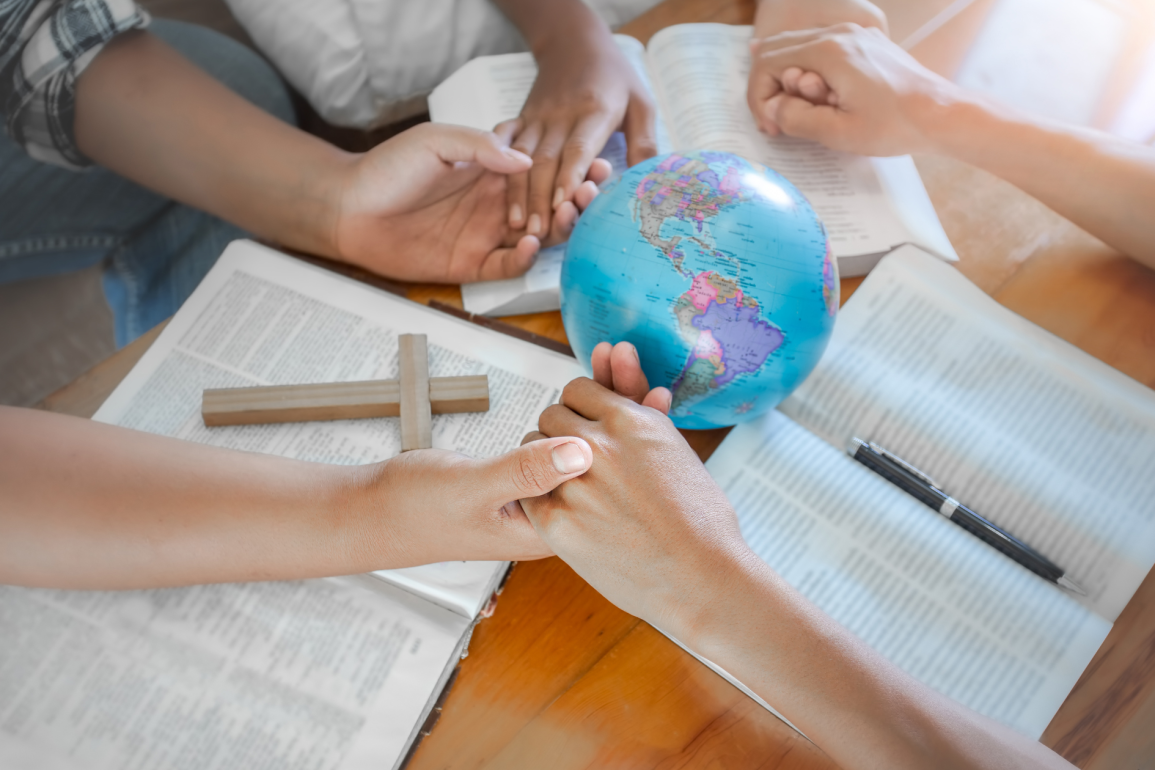
Thailand, renowned for its breathtaking landscapes and vibrant culture, is also home to a growing influence—Christian missions. Beyond the spiritual dimension, these missions have quietly and positively impacted another crucial aspect of Thai society—education. In this article, we delve into the profound influence of Christian missions on Thai education, shaping young minds and fostering community development.
Transforming Lives through Education
One of the primary objectives of Christian missions in Thailand is to provide education and literacy opportunities to underserved communities. These missions establish schools, vocational training centers, and scholarship programs that open doors to quality education for Thai children who might otherwise have limited access.
Promoting Values and Morality
Christian missions emphasize moral and ethical values as an integral part of education. They instill principles of compassion, kindness, and integrity that not only contribute to a well-rounded education but also cultivate responsible and ethical citizens. These values transcend religious boundaries and contribute to the overall moral fabric of Thai society.
Empowering Local Communities
Christian missions often operate in rural and marginalized areas where educational resources are scarce. By establishing schools and educational facilities, these missions empower local communities, offering children a chance to break free from the cycle of poverty. In doing so, they contribute to the socio-economic development of Thailand as a whole.
Bridging Cultural Gaps
Thailand’s religious landscape is predominantly Buddhist, but Christian missions operate with respect for the country’s culture and religious traditions. By doing so, they create an environment of intercultural exchange, fostering understanding and tolerance among different religious communities. This approach promotes social harmony and cooperation.
Supporting At-Risk Youth
Many Christian missions in Thailand focus on helping at-risk youth, including orphaned and disadvantaged children. These missions provide not only education but also a stable and nurturing environment. By doing so, they give these young individuals a chance for a brighter future, breaking the cycle of poverty and despair.
Health and Hygiene Education
In addition to traditional education, Christian missions often include health and hygiene education in their programs. Teaching children about proper sanitation, disease prevention, and healthy living habits contributes to the overall well-being of Thai communities, reducing health disparities and improving quality of life.
Promoting Gender Equality

Christian missions actively promote gender equality through education. They empower girls to pursue education and become active members of society, challenging traditional gender roles and stereotypes. This, in turn, contributes to a more equitable and inclusive Thai society.
Fostering Community Development
Christian missions do not operate in isolation; they actively engage with local communities. Through various outreach programs and community initiatives, they contribute to holistic community development. This includes infrastructure improvements, healthcare access, and vocational training opportunities that enhance the quality of life for residents.
Building Bridges of Hope
Christian missions are not solely focused on education; they also provide emotional and spiritual support to individuals facing challenges. By offering counseling, mentorship, and a sense of belonging, they help individuals overcome obstacles and find hope in difficult circumstances.
Conclusion
The impact of Christian missions on Thai education is a story of hope, empowerment, and transformation. By providing access to education, promoting values, and fostering community development, these missions contribute to the growth and prosperity of Thailand’s future generations. Beyond religious beliefs, their work serves as a testament to the power of education in creating a brighter and more inclusive society for all Thai citizens.